Introduction
Commercial fitness flooring is evolving rapidly as modern gyms focus on creating spaces that are safer, more durable, and visually appealing. In 2026, flooring is no longer just a functional surface but a key element that enhances performance, supports sustainability, integrates smart technology, and strengthens brand identity.
From eco-friendly materials and innovative designs to advanced safety features and multi-purpose functionality, the latest flooring trends are transforming fitness facilities to meet the changing expectations of both gym owners and members. Understanding these emerging trends can help businesses create high-performing environments that deliver long-term value, comfort, and an improved workout experience.
Key Takeaways
- Durability and Safety: Flooring materials prioritize resilience and user protection.
- Sustainability: Eco-friendly materials are becoming standard in gym flooring.
- Design Innovation: Aesthetic appeal is merging with functionality in flooring designs.
- Technological Integration: Smart flooring solutions are enhancing user experience.
As fitness facilities transform to meet the standards and expectations of modern gym-goers, selecting the right flooring has become central to both safety and style. Facility managers and designers are discovering that flooring choices have a major influence on aesthetics, performance, and branding. New trends are shaping the foundation of tomorrow’s fitness spaces, and understanding them is key to high-quality commercial gym design.
From increased demand for sustainability to the integration of smart technology, the future of gym flooring is about more than mere functionality. It’s about creating environments that inspire peak performance while remaining mindful of safety, well-being, and longevity for both the athlete and the facility itself. Today’s gym flooring must withstand heavy daily use, look good, and support the facility’s overall goals of safety and efficiency.
As these requirements evolve, so do the options, and the industry leaders are those who stay abreast of these emerging trends. Aligning flooring choices with overall facility operations and user expectations ensures a competitive edge in the commercial fitness market.
Emphasis on Durability and Safety
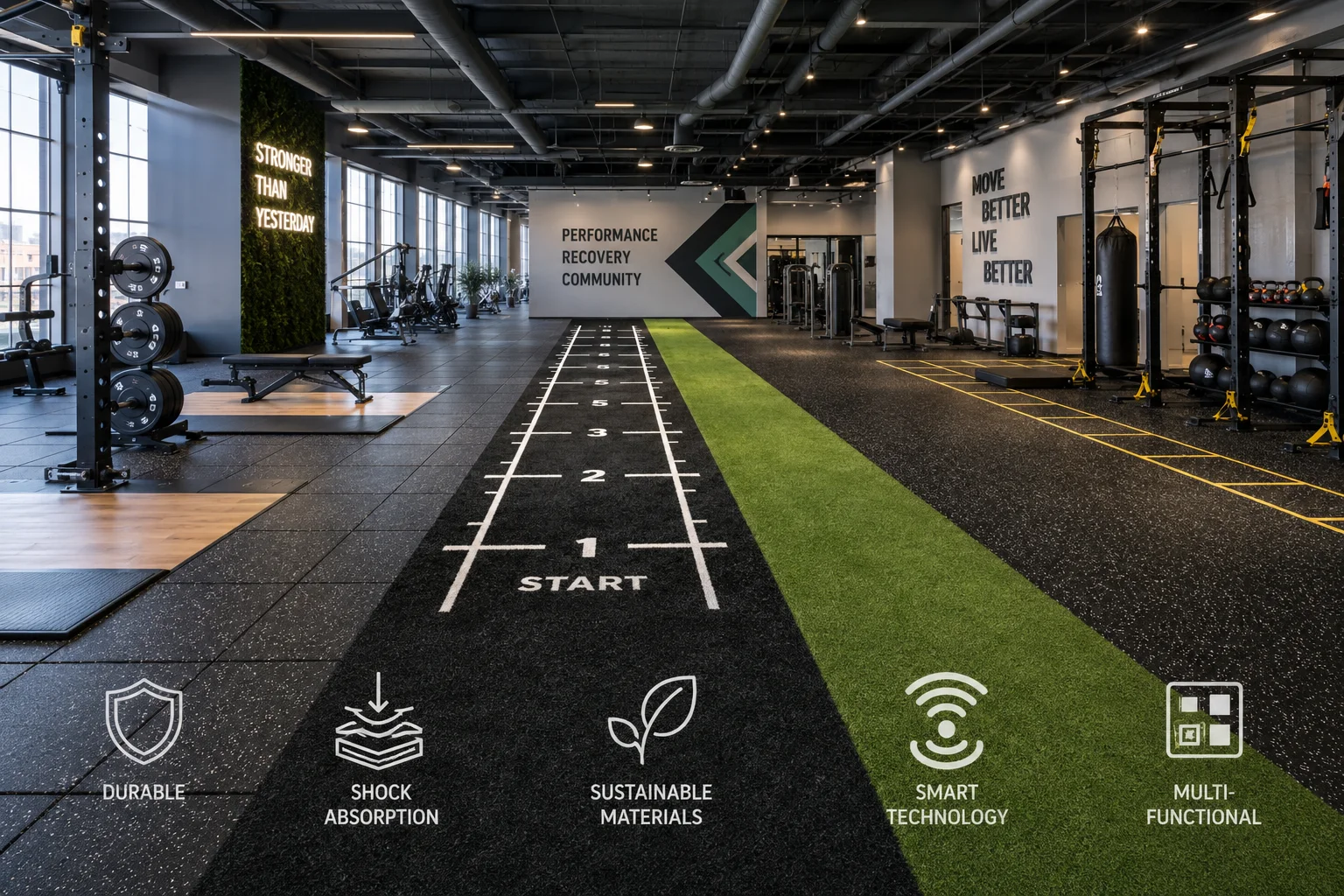
Modern gyms are continually exposed to intense activity from both equipment and users. This has heightened the demand for flooring solutions that can withstand years of punishment. Rubber tiles and synthetic turf tracks have risen in popularity for their high durability and ability to absorb shock, reducing joint stress and protecting the structural subfloor beneath. These surfaces play a pivotal role in minimizing injuries, enabling athletes of all skill levels to train with confidence.
Advanced manufacturing techniques have further improved the resilience of these surfaces, creating new composites that offer even better cushioning, traction, and lifespan. Facilities also pay close attention to slip resistance and edge stability, both of which are vital in areas exposed to sweat or heavy weights.
By using layered subfloors and advanced adhesives, modern gyms ensure flooring remains safe and suitable for multiple training disciplines.
Sustainable Materials Take Center Stage
Environmental stewardship is guiding purchasing decisions in fitness construction and renovations. Facilities are increasingly selecting flooring options made from recycled rubber or flooring with low volatile organic compounds (VOCs), supporting broader sustainability initiatives and helping gain green building certifications. This eco-conscious approach also appeals to clientele who value brands committed to responsible sourcing and reduced carbon impact.
As the fitness industry’s focus shifts toward holistic wellness, the materials underfoot play a significant role. Sustainability goes beyond materials; modern manufacturers are innovating waste-reduction processes, using renewable energy in production, and developing product take-back programs for worn-out gym flooring.
Many gym owners now include sustainability information in their marketing, helping attract a new generation of eco-aware customers and establishing their dedication to social responsibility.
Design Innovation and Aesthetic Appeal
Flooring design is emerging as a key differentiator in today’s competitive marketplace. Forward-thinking gyms use bold colors, modern patterns, and custom line graphics to both reflect brand identity and energize the workout environment. Color-coded zones provide visual cues that help guide foot traffic, separate group classes, and enhance both the look and the utility of the space. The visual aspect of flooring can be just as motivating as the physical function, promoting consistent use and member retention.
Increasingly, designers focus on transitions between spaces, matching textures and finishes to both aesthetic and practical demands. These innovations deliver a cohesive visual experience while letting facilities easily update their look with modular tiles and finishes that can be swapped as branding evolves.
Technological Integration
With the boom in smart fitness technology, gyms are introducing technologically advanced flooring. These smart systems can incorporate embedded sensors to track movement patterns, provide feedback for injury prevention, and synchronize with fitness apps. Facility owners can monitor traffic, usage patterns, and maintenance schedules in real time through analytics. According to FitTech Council, such integrations are making workouts more interactive and data-driven, reflecting a broader trend across the fitness industry.
Some smart floors can identify maintenance needs and alert staff, making upkeep more proactive than ever before. As artificial intelligence and the Internet of Things (IoT) continue to advance, gym flooring is poised to become an integral layer in delivering a smarter, safer, and more personalized workout experience for every member.
Multi-Functional Spaces
With evolving fitness trends, gyms are increasingly designing multipurpose spaces that accommodate a range of activities, from yoga and stretching to weight training and HIIT. Modular flooring systems offer flexibility, with interlocking pieces that can be easily assembled, removed, or replaced as the facility’s needs change. This type of flooring supports innovation in program offerings and makes it easier to keep spaces fresh and relevant to client interests.
In addition, temporary floor protectors and overlays enable seamless conversion between specialty uses, such as turning a weight area into an event space, without damaging the core surface. Such adaptability keeps gyms nimble, ready to respond to seasonal changes in demand or member preferences.
Enhanced Acoustic Properties
In urban locations, gyms often operate alongside offices, residences, and retail spaces, making acoustics a priority. Flooring solutions now often feature built-in sound-dampening properties to help reduce transmission of noise and vibration. This not only provides a more comfortable environment for those exercising but also reduces disturbances for neighboring tenants. Enhanced acoustics are particularly important in group fitness areas and weight rooms, where impacts and dropped equipment are common.
Manufacturers are now developing underlayment systems specifically engineered to absorb shock and sound further. Specialized rubber and foam layers beneath the surface help buffer not just footsteps, but also the repetitive impact of high-intensity workouts. This approach elevates both user comfort and overall facility harmony.
Maintenance and Longevity
Floors that are easy to clean, stain-resistant, and able to withstand years of repeated use are now a must-have for gym operators. The latest materials resist bacteria and moisture penetration, which helps keep facilities hygienic and safe while preserving the floor’s appearance over time. Selecting the right flooring reduces the need for costly repairs and replacement, providing a better return on investment and ensuring consistent brand presentation.
To maximize lifespan and appearance, many gyms now implement professional cleaning protocols and routine inspections. This preventative approach prevents early wear, avoids slips, and supports the gym’s reputation for cleanliness, an increasingly important factor for member satisfaction.
Compliance with Health and Safety Standards
Adhering to health and safety codes is required in commercial fitness settings. Flooring must ensure slip resistance, fire safety, and proper hygiene to protect both gym users and facility owners from unnecessary risks. Following requisite standards not only safeguards patrons and staff but also shields businesses from potential liability. By meeting and exceeding these standards, gyms establish trust with members and elevate their brand reputation.
In today’s regulatory environment, facilities often consult with flooring manufacturers to ensure precise compliance. Proactive investment in certified products demonstrates a long-term commitment to community well-being and peace of mind for everyone who uses the gym. With these trends leading the way, commercial fitness flooring in 2026 will be defined by thoughtful balance: safety, technology, sustainability, and visually compelling design working together to maximize both facility value and user satisfaction.
Conclusion
The future of commercial gym flooring is shaped by the growing demand for solutions that combine durability, safety, sustainability, and innovation. As fitness facilities continue to evolve, flooring is no longer viewed as a simple foundation but as an essential element that influences performance, user experience, and overall brand identity.
From eco-friendly materials and advanced shock absorption to smart technology and customizable designs, modern flooring systems are helping gyms create safer, more efficient, and more engaging environments. By carefully selecting flooring that aligns with facility goals, workout needs, and sustainability standards, gym owners can enhance both functionality and long-term value.
The integration of thoughtful design, reliable performance, and emerging technologies ensures that future fitness spaces will continue to meet the expectations of modern athletes and members. Investing in the right gym flooring today creates a stronger foundation for safety, success, and lasting growth.