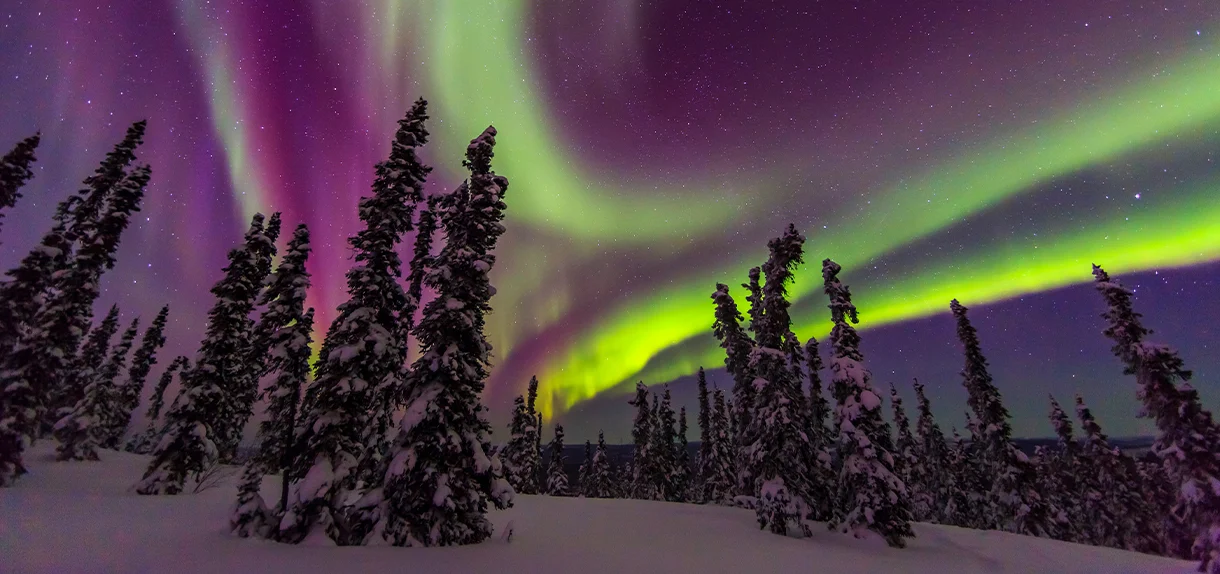
Seeing the northern lights is a dream experience for many travelers, and Alaska is one of the best places on Earth to witness this spectacular natural display. With its dark winter skies, remote landscapes, and frequent aurora activity, the state offers incredible opportunities for visitors hoping to watch green, purple, and pink waves of light dance across the night sky.
Understanding the northern lights Alaska time of year is essential because the aurora is not visible equally throughout the year. While solar activity plays a major role, darkness, weather conditions, and location are equally important factors. Choosing the right season can dramatically increase your chances of experiencing this unforgettable phenomenon.
Why Alaska Is One of the Best Places to See the Northern Lights
Alaska sits directly beneath the auroral oval, a region around the Arctic where northern lights activity is most common. This geographical advantage means visitors do not always need to travel deep into the wilderness to see the aurora.
The state also offers several benefits for aurora hunters:
- Long winter nights provide extended viewing opportunities.
- Remote areas have very little light pollution.
- Clear mountain and wilderness landscapes create stunning backgrounds.
- Many locations offer guided tours designed specifically for aurora viewing.
However, seeing the lights requires patience. The sky may remain quiet for hours before suddenly transforming into a moving display of color.
The Best Time of Year to See Northern Lights in Alaska
The ideal season for viewing the aurora in Alaska generally runs from late August through mid-April. During these months, the nights become dark enough for the lights to appear, while solar activity continues throughout the year.
Although the aurora can technically occur any month, summer is not suitable because many parts of Alaska experience extended daylight hours, especially near the Arctic Circle.
Late August to September: Early Aurora Season
The end of summer marks the beginning of the northern lights viewing season. Nights start becoming longer, temperatures remain relatively comfortable, and roads are often easier to travel compared to deep winter.
This period is excellent for travelers who want a balance between outdoor exploration and aurora hunting.
Benefits include:
- Milder weather conditions
- Fewer winter travel challenges
- Beautiful autumn scenery
- Dark skies returning after summer
The only drawback is that nighttime hours are still shorter than in winter, reducing the viewing window.
October to November: A Great Shoulder Season
Autumn is often overlooked, but it can be a fantastic time for aurora viewing. The increasing darkness creates better opportunities, and many popular destinations are less crowded.
During these months, travelers can enjoy Alaska’s changing landscapes while preparing for colder nights.
The combination of longer darkness and fewer tourists makes this period attractive for photographers and adventure seekers.
December to March: Peak Northern Lights Season
For many travelers, winter represents the best time to see the northern lights in Alaska. December through March offers some of the longest nights of the year, creating more opportunities for spotting aurora activity.
The cold temperatures may feel challenging, but they often bring clearer skies. Crisp winter air can reduce atmospheric moisture, improving visibility.
A comparison of Alaska’s aurora seasons helps explain the differences:
| Season | Aurora Visibility | Weather Conditions | Travel Experience |
|---|---|---|---|
| Late August–September | Good | Mild temperatures, shorter nights | Comfortable outdoor activities |
| October–November | Very Good | Cooler weather, longer darkness | Fewer crowds and great photography |
| December–March | Excellent | Cold but often clear skies | Best chance for extended viewing |
| April | Moderate | Increasing daylight | Final weeks of aurora season |
April: The End of the Aurora Viewing Period
April can still provide opportunities to see the northern lights, especially during the first half of the month. However, increasing daylight hours gradually reduce nighttime visibility.
Travelers visiting Alaska in spring may enjoy a quieter experience, but they should carefully plan their viewing schedule because darkness disappears faster each week.
Best Places in Alaska for Northern Lights Viewing
Choosing the right location can be just as important as choosing the right month. Some areas offer better conditions because of their location, accessibility, and low light pollution.
Fairbanks
Fairbanks, Alaska is widely considered one of the top aurora destinations in Alaska. Located under the auroral oval, it provides frequent opportunities to see the lights.
Visitors can combine aurora hunting with activities such as dog sledding, hot springs, and winter adventures.
Denali National Park
Denali National Park and Preserve offers dramatic landscapes where the aurora can appear above mountains, forests, and open wilderness.
Because of limited artificial lighting, the area provides excellent conditions for photographers.
Anchorage and Surrounding Areas
Anchorage, Alaska is convenient for travelers who want access to restaurants, hotels, and transportation while still having nearby dark-sky locations.
Although city lights can reduce visibility, short trips outside urban areas can greatly improve viewing chances.
Factors That Affect Northern Lights Visibility
Even during the best months, several conditions influence whether you will actually see the aurora.
Darkness
The sky must be sufficiently dark. This is why winter months provide better opportunities than summer.
Cloud Cover
A strong aurora cannot be seen through thick clouds. Checking weather forecasts before heading out is important.
Solar Activity
The northern lights are created by charged particles from the sun interacting with Earth’s atmosphere. Strong solar activity can create brighter and more colorful displays.
Location
Moving away from city lights can significantly improve your experience. A remote viewing spot with an open horizon often provides much better visibility.
A Realistic Aurora Trip Scenario
Imagine a traveler arriving in Fairbanks in February with a plan to spend four nights searching for the lights. The first evening brings cloudy skies, and the second night shows only a faint glow. On the third night, around midnight, the clouds disappear, and bright green waves suddenly spread across the sky. This is why spending multiple nights in Alaska increases the chance of success rather than relying on a single evening.
I once experienced a similar moment while watching an aurora forecast and waiting outside in freezing temperatures—the excitement of seeing the first faint green movement across the sky made the long wait completely worthwhile.
Tips to Improve Your Northern Lights Experience
A successful aurora trip requires more than just choosing the right month.
- Plan a stay of at least three to five nights.
- Check aurora forecasts regularly.
- Dress in multiple warm layers.
- Carry a camera with manual settings for better photos.
- Choose locations away from city lights.
- Be patient because the display can appear suddenly.
One advantage of Alaska is that the journey itself becomes part of the adventure. Watching the stars above snowy forests, mountains, or frozen landscapes creates memories beyond the aurora itself.
Also Read: Lower Antelope Canyon Tours: Tickets, Tips & Guide
Conclusion
The best northern lights Alaska time of year depends on your priorities, but late August through April offers the strongest opportunities. Winter months, especially December through March, usually provide the longest nights and most reliable viewing conditions.
Whether you choose Fairbanks, Denali, or another remote Alaskan destination, planning around darkness, weather, and solar activity can greatly improve your experience. The northern lights are unpredictable, but that uncertainty is part of their magic. When the sky finally comes alive, the wait becomes a story worth remembering.
FAQs
What month is best to see the northern lights in Alaska?
March is often considered one of the best months because it combines long dark nights, favorable weather, and strong aurora activity.
Can you see northern lights in Alaska during summer?
Generally, no. Summer months have too much daylight, especially in northern Alaska, making aurora viewing extremely difficult.
How many nights should I stay in Alaska for aurora viewing?
A stay of three to five nights is recommended because aurora activity and weather conditions can change quickly.
Is Fairbanks or Anchorage better for northern lights?
Fairbanks is usually better because it is located closer to the auroral oval and experiences more frequent displays.
What time of night can you see the aurora in Alaska?
The northern lights can appear anytime after darkness, but many displays occur between late evening and early morning hours.