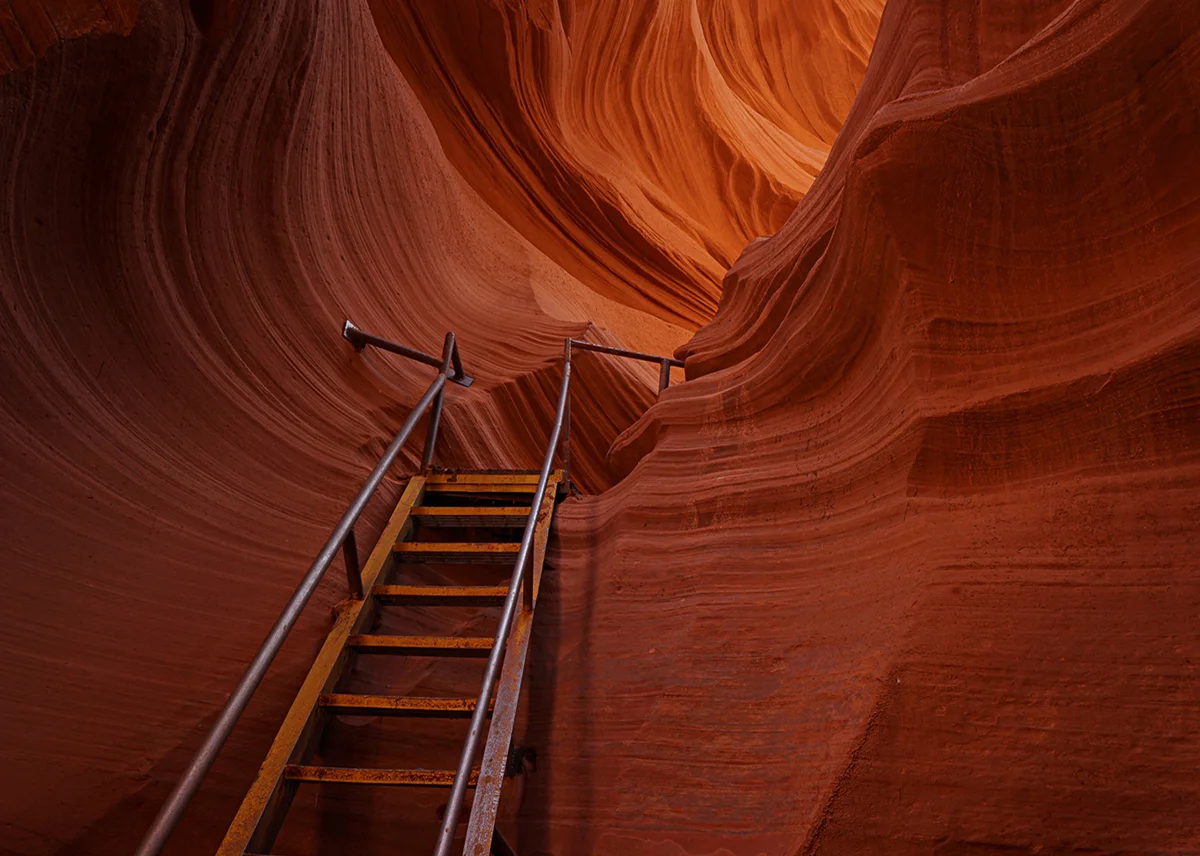
Deep beneath the red sandstone landscape of northern Arizona lies a place where nature has created something that feels almost unreal. Lower Antelope Canyon tours offer visitors the chance to walk through narrow sandstone passages shaped by wind and water over thousands of years. With twisting corridors, flowing rock formations, and dramatic light patterns, this hidden canyon has become one of the most memorable destinations near Page, Arizona.
Unlike traditional hiking trails, visiting Lower Antelope Canyon is a guided experience. The canyon’s narrow pathways, ladders, and changing conditions make professional guidance essential. Whether you are a photographer, a nature lover, or simply someone looking for a unique travel experience, exploring this underground wonder can become the highlight of your Arizona trip.
What Makes Lower Antelope Canyon Special?
Lower Antelope Canyon is part of the larger Antelope Canyon system located on Navajo Nation land. It was formed by flash floods and erosion, which slowly carved smooth curves and wave-like patterns into Navajo sandstone.
The canyon is famous for its:
- Curved sandstone walls
- Natural orange, red, and purple tones
- Unique rock formations
- Photography opportunities
- Peaceful underground atmosphere
The experience feels completely different from standing at a typical viewpoint. Instead of looking at a landscape from a distance, visitors become part of the landscape by walking through the canyon itself.
How Do Lower Antelope Canyon Tours Work?
Access to the canyon is only available through authorized Navajo guides. Visitors cannot explore the area independently because conditions can change quickly, especially during storms.
A typical guided visit includes:
- Check-in at the tour operator’s location
- Safety instructions from the guide
- A short walk to the canyon entrance
- Descending stairs and ladders into the canyon
- Guided exploration through the sandstone corridors
- Returning to the surface after the tour
Most tours last around 45 minutes to 1 hour, depending on group size and conditions.
The guides do more than lead the way. Many share information about Navajo culture, canyon history, geology, and photography techniques.
Best Time to Visit Lower Antelope Canyon
Choosing the right time can significantly improve your experience. Although the canyon is beautiful throughout the year, weather and lighting conditions influence the atmosphere.
| Season | Advantages | Considerations |
|---|---|---|
| Spring (March–May) | Comfortable temperatures and fewer weather extremes | Popular travel period |
| Summer (June–August) | Long daylight hours and vibrant canyon colors | Hot temperatures and larger crowds |
| Fall (September–November) | Pleasant weather and excellent hiking conditions | Tours may sell out quickly |
| Winter (December–February) | Smaller crowds and peaceful atmosphere | Cooler temperatures and shorter days |
For many travelers, early morning or late afternoon tours provide a more relaxed experience with softer lighting.
Lower Antelope Canyon vs Upper Antelope Canyon
Many visitors compare Lower and Upper Antelope Canyon before booking. Both locations are stunning, but they offer different experiences.
| Feature | Lower Antelope Canyon | Upper Antelope Canyon |
|---|---|---|
| Experience Style | More adventurous walking route | Easier ground-level exploration |
| Entrance | Requires stairs and ladders | Mostly flat access |
| Photography | Great textures and patterns | Famous for dramatic light beams |
| Physical Demand | Moderate | Easier for most visitors |
| Atmosphere | Narrow and winding passages | Wider, smoother pathways |
Lower Antelope Canyon is often preferred by travelers who enjoy a more active adventure and want to explore deeper, twisting corridors.
What Should You Bring on Your Tour?
A little preparation can make your canyon visit much more enjoyable. Consider bringing:
- Comfortable walking shoes with good grip
- Water bottle
- Sunglasses and sunscreen
- Camera or smartphone
- Light jacket during cooler months
Large bags, tripods, and unnecessary equipment may not be allowed depending on current tour rules.
Photography lovers should keep their equipment simple. The canyon’s beauty comes from movement, textures, and natural colors rather than complicated setups.
Planning Your Visit: From Arrival to Canyon Exploration
Imagine arriving in Page, Arizona, after visiting nearby attractions such as Horseshoe Bend. You enjoy breakfast, join your scheduled canyon tour late in the morning, and spend an hour walking through glowing sandstone corridors with a Navajo guide explaining how water shaped the canyon.
After your visit, you have enough time to explore Lake Powell or enjoy sunset views before returning to your hotel. This combination makes Lower Antelope Canyon an easy addition to an Arizona road trip itinerary.
My Experience Visiting a Similar Desert Canyon
I remember walking through a narrow sandstone canyon for the first time and being surprised by how different the environment felt compared with outdoor viewpoints. The changing shadows, cool air, and detailed rock patterns created a peaceful feeling that photographs simply cannot fully capture.
Tips for Getting the Best Lower Antelope Canyon Experience
A few simple decisions can improve your visit:
Book Your Tour Early
Lower Antelope Canyon is extremely popular, especially during peak travel seasons. Reserving ahead helps you choose your preferred time slot.
Listen Carefully to Your Guide
Guides often know the best photography angles and hidden details that many visitors miss.
Avoid Rushing Through the Canyon
The narrow pathways encourage slower exploration. Take time to notice the shapes, textures, and colors around you.
Check Weather Conditions
Flash floods can occur in desert canyons even when rain is not falling directly overhead. Tour operators monitor conditions and may adjust schedules for safety.
Why Lower Antelope Canyon Is Worth Visiting
Many natural attractions are impressive because of their size, but Lower Antelope Canyon creates its impact through detail. Every curve in the sandstone tells a story about time, water, and nature’s ability to transform simple rock into art.
The guided experience also adds cultural depth. Visitors are not just seeing a beautiful location; they are learning about the land and the people connected to it.
For travelers seeking something beyond ordinary sightseeing, this canyon provides a rare combination of adventure, photography, geology, and cultural discovery in one unforgettable journey.
Also Read: How to Find FOK959S-M Model Number Easily Today
Conclusion
Lower Antelope Canyon tours provide an incredible opportunity to explore one of Arizona’s most fascinating natural formations. With its winding sandstone passages, knowledgeable guides, and unforgettable scenery, the canyon offers an experience that stays with visitors long after they leave.
Whether you are planning a Southwest road trip, searching for unique photography locations, or simply wanting to experience nature at its most creative, Lower Antelope Canyon deserves a place on your itinerary. Proper planning, comfortable preparation, and choosing the right tour time can help you enjoy every moment of this remarkable underground adventure.
FAQs
1. How long do Lower Antelope Canyon tours take?
Most guided visits last approximately 45 minutes to 1 hour, depending on the group and current conditions.
2. Is Lower Antelope Canyon difficult to walk through?
The canyon requires navigating stairs and ladders, so visitors should have moderate mobility. It is more physically demanding than Upper Antelope Canyon.
3. What is the best month to visit Lower Antelope Canyon?
Spring and fall are often considered ideal because temperatures are comfortable and walking conditions are pleasant.
4. Can you visit Lower Antelope Canyon without a guide?
No. Access is only available through authorized guided tours due to safety requirements and Navajo Nation regulations.
5. Is Lower Antelope Canyon good for photography?
Yes. The curved sandstone walls, natural colors, and changing shadows create excellent opportunities for both professional and casual photographers.
6. How far is Lower Antelope Canyon from Page, Arizona?
The canyon is located just a few miles from Page, making it a convenient destination for visitors staying in the area.